

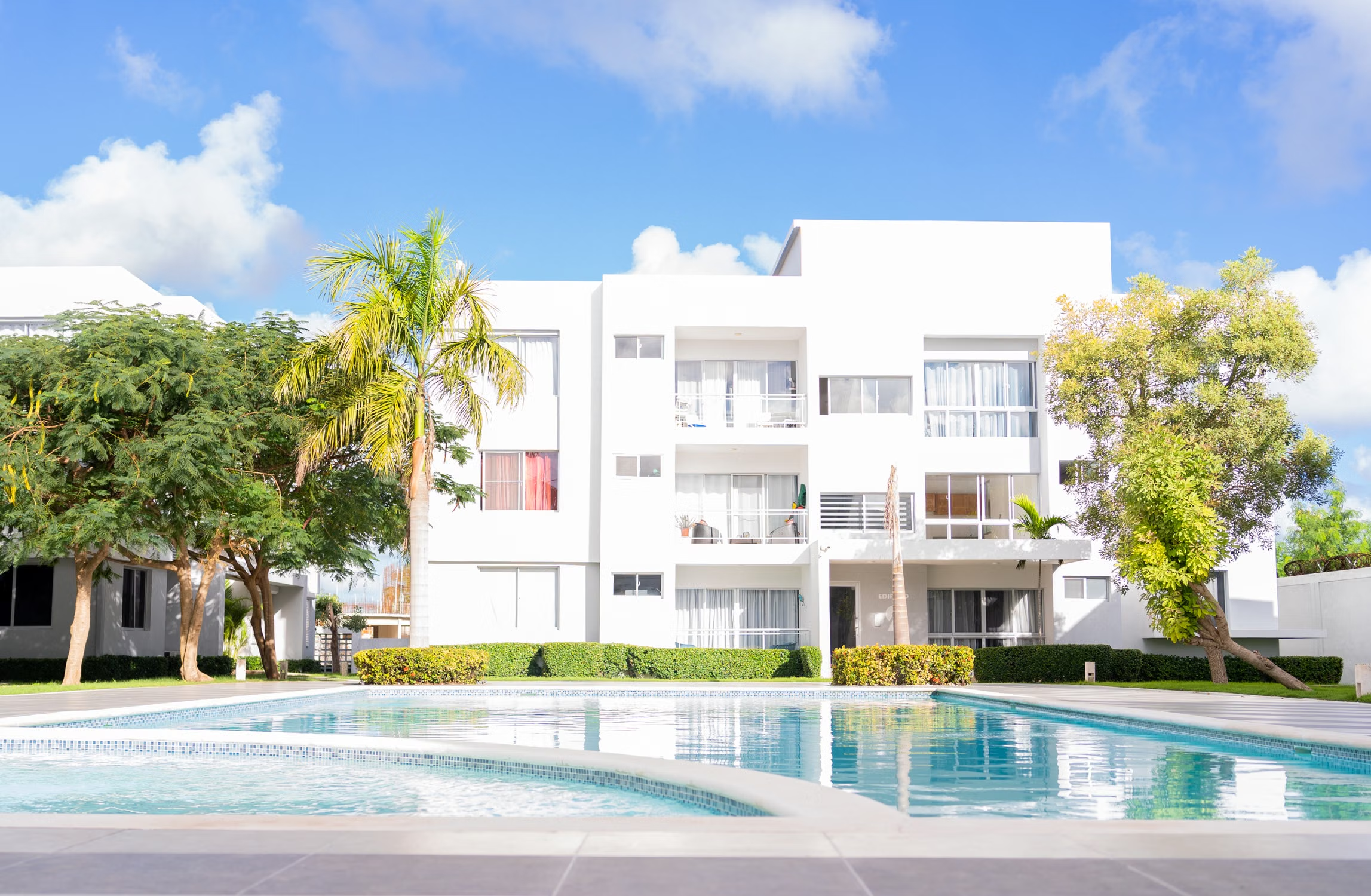
A swimming pool, landscaped courtyard, gym and staffed entrance can make an apartment more enjoyable. They also create an operating system that must be staffed, maintained and paid for. When comparing residential developments in Turkey, the list of facilities is only the beginning. The more important questions concern availability, upkeep, decision-making and the recurring contribution often described as aidat. A development should be assessed as a place to live and as an organisation that delivers services. This guide provides a practical way to examine both, without assuming that either the lowest charge or the longest amenities list represents the best value.
Start with your weekly routine
Write down the facilities you would actually use in an ordinary week. Be specific: two early gym visits, a short swim after work, a safe route for a pushchair, a place to receive parcels or a shaded bench for an older relative. Separate essential services from occasional treats. A showpiece cinema room may be less valuable to your household than reliable lifts and clean corridors. The exercise helps prevent a sales tour from turning every attractive feature into a supposed necessity that you will pay to maintain indefinitely.
Consider who in the household can use each facility and at what times. A gym that opens after you leave for work may contribute little to your routine. A pool closed during the months you visit will not support a seasonal-home plan. Ask about guest access, booking arrangements, age restrictions and additional charges. These are practical questions, not requests for exceptions. Your aim is to understand the service being offered today and the rules under which it is delivered, rather than an idealised version suggested by promotional images.
Distinguish operating expenses from major replacements
Daily operations include items such as cleaning, staffing, gardening, utilities and routine maintenance. Major replacements involve longer-lived components: pumps, lifts, roof finishes, waterproofing, access systems and equipment. Ask the management to explain which costs are included in the current operating budget and how larger future works are planned. A low monthly contribution may look appealing while providing little preparation for a predictable replacement. An expensive development may still manage those costs poorly. The issue is the relationship between the budget, the assets and the evidence supporting the plan.
Request a plain-language description of any reserve arrangements or anticipated special contributions. Do not assume that a fund exists, that its balance is sufficient or that a particular ownership structure follows rules you know from another country. Turkish condominium obligations should be interpreted using the current law, the management plan and the relevant decisions. Have a qualified adviser explain material commitments before purchase. A practical maintenance plan and a professional explanation of legal liability are complementary forms of information; neither should be substituted for the other.
Ask for records, not a verbal monthly figure
A quoted aidat amount is a snapshot. Request the current approved operating budget, recent financial statements, the payment schedule and a clear explanation of the allocation method for the unit you are considering. Ask which items are billed separately, including heating, water, parking, private storage or facility memberships where applicable. Obtain the information through the seller and management with appropriate authorisation. The goal is to understand the apartment’s obligations, not to collect other residents’ personal financial information or circulate confidential building records.
Compare the budget with actual expenditure where records are available. Large differences deserve an explanation, but not every difference indicates poor management: energy use, repair timing and changes in service scope can affect results. Ask whether the quoted contribution reflects a fully occupied development and ordinary operation. Introductory support from a developer may end; an unopened facility may begin generating costs later. Record the assumptions and the date of the quotation so that you do not compare a temporary promotional number with an established building’s ordinary annual costs.
Inspect the less photogenic parts of the building
During a viewing, examine corridors, lift landings, waste areas, drainage routes and the access from parking to the apartment. Look for clear signage, functioning lighting and consistent cleaning. A polished lobby can coexist with neglected service spaces, while a modest entrance may lead to a carefully maintained building. Ask permission before entering nonpublic areas and never access plant rooms or equipment enclosures unaccompanied. Qualified personnel should explain technical systems. Your observations help generate questions; they do not replace engineering, fire-safety or compliance inspections.
Pay attention to repeated small failures. A broken door closer, missing lamp and damaged handrail may each be inexpensive, but together they can indicate slow reporting or unclear responsibility. Ask how residents report faults and how urgent problems are prioritised. Request examples of the communication process rather than promises that “everything is handled immediately.” A simple, documented system can be more useful than an impressive application that nobody monitors. Good service means residents know who receives a report, what happens next and how completion is recorded.
Understand pools, gyms and leisure facilities
Ask when the pool is open, who operates it and how maintenance closures are communicated. Check whether the changing rooms and route to the water are usable for your household. For a gym, inspect the variety and condition of equipment at the time you would normally exercise. A large room with several unavailable machines may provide less practical capacity than a smaller, well-maintained facility. Ask about cleaning schedules and reporting damaged equipment, without treating a pleasant appearance as proof that all safety obligations have been met.
Pool care is an ongoing responsibility rather than a decorative service. CDC guidance describes the importance of trained operators, water treatment and appropriate management practices. Those principles explain why staffing and maintenance should form part of your questions, while local Turkish requirements remain the relevant legal framework. Do not infer water quality from colour alone or attempt to assess treatment systems yourself. If a facility materially influences your purchase, request evidence of the management arrangements and have technical concerns assessed by a competent professional.
Examine staffing and access arrangements
A staffed entrance can provide convenience, but ask exactly what staff are employed to do. Reception, security, parcel handling, cleaning and technical maintenance are different functions. Clarify service hours, cover for absences and emergency contact arrangements. Avoid assuming a uniform or desk means a specific level of training or responsibility. Ask how visitors, delivery workers and contractors gain access, and whether the process is practical for residents who work irregular hours. A system should fit the household without creating avoidable friction at every visit.
Check how parcels, keys and personal information are handled. A convenient reception desk should still have a clear process for identifying recipients and managing uncollected items. If you plan to leave the property empty for periods, ask what the management will and will not do when a leak or alarm is reported. Do not assume staff provide a private-home inspection or caretaker service merely because they work at the entrance. Obtain any additional service scope in writing and distinguish it from the building’s ordinary communal responsibilities.
Review governance and communication
Ask how owners receive budgets, meeting notices, decisions and maintenance updates. Buyers who do not read Turkish should arrange reliable translation of important documents instead of relying on a brief sales summary. Find out who manages the development, how that role is appointed and how complaints are handled. In a complex with several blocks, ask how shared facilities and block-specific expenses are organised. The objective is not to resolve every legal detail during a viewing, but to identify issues that require an informed explanation before you commit.
The Turkish Condominium Law provides the relevant statutory context for shared expenses and operating plans, and its current wording should be checked rather than assumed. This article deliberately avoids presenting a universal allocation formula or legal remedy because the building’s documents and circumstances matter. Ask your lawyer to review the management plan, current decisions and any outstanding obligations relating to the unit. A translated summary should be linked to the underlying documents so that changes and responsibilities remain traceable after the transaction.
Test affordability with a realistic annual view
Prepare an annual ownership budget that distinguishes regular contributions, individually metered consumption, optional services and possible major works. Include your own insurance, maintenance and travel-related needs separately. Use scenarios rather than a single optimistic number: ordinary operation, a higher utility-cost period and a year with additional work. These scenarios are planning exercises, not forecasts. They help answer whether you would remain comfortable owning the home when costs differ from the introductory figure shown during the sales discussion.
For a hypothetical comparison, Development A has a pool, gym and extensive landscaping, while Development B offers fewer facilities but excellent everyday maintenance and a nearby public park. A frequent swimmer may reasonably choose A. A household that travels often and never uses leisure facilities may prefer B. Neither decision follows automatically from the monthly charge. The more useful measure is the total cost of services that support your life, alongside the quality and predictability of management delivering them.
Leave the viewing with a written checklist
Before making a final decision, confirm the current contribution, its inclusions, the payment schedule, the unit’s allocation basis, known major works and the documents still awaiting review. Add practical observations about access, cleaning, lifts and facility availability. Identify who supplied each answer and when. If a selling point is important enough to influence your offer, it is important enough to verify. Treat unanswered questions as unresolved, rather than replacing missing information with reassurance from an attractive lobby or a low initial charge.
A well-chosen development does not need every possible amenity. It needs services you value, equipment that is maintained, understandable financial planning and communication you can rely on. Once the practical and legal questions have been clarified, the amenities list becomes easier to interpret. You can then choose a home for the experience it will provide throughout the year, supported by a budget you understand, instead of paying for a collection of features whose ongoing operation remains uncertain.
Sources and further reading
- Turkish Ministry of Justice: Condominium Law No. 634, current text
- CDC: Operating and Managing Pools
- CDC: Guidelines for Keeping Your Pool Safe and Healthy
Cover photo: Pexels. Illustrative image; not a property listing or an endorsement. Pexels · Pexels License

Residence TR Editorial
Residence TR bünyesinde mimarlık tarihi, Boğaziçi yalıları, kentsel dönüşüm ve yabancı yatırımcılara yönelik mevzuat analizleri üzerine özel araştırmalar yürütmektedir.
Türkiye'de Gayrimenkul Yatırımı mı Planlıyorsunuz?
Uzman kadromuzla bütçenize, yatırım hedeflerinize ve vatandaşlık uygunluğuna en doğru konut projelerini belirleyin.