

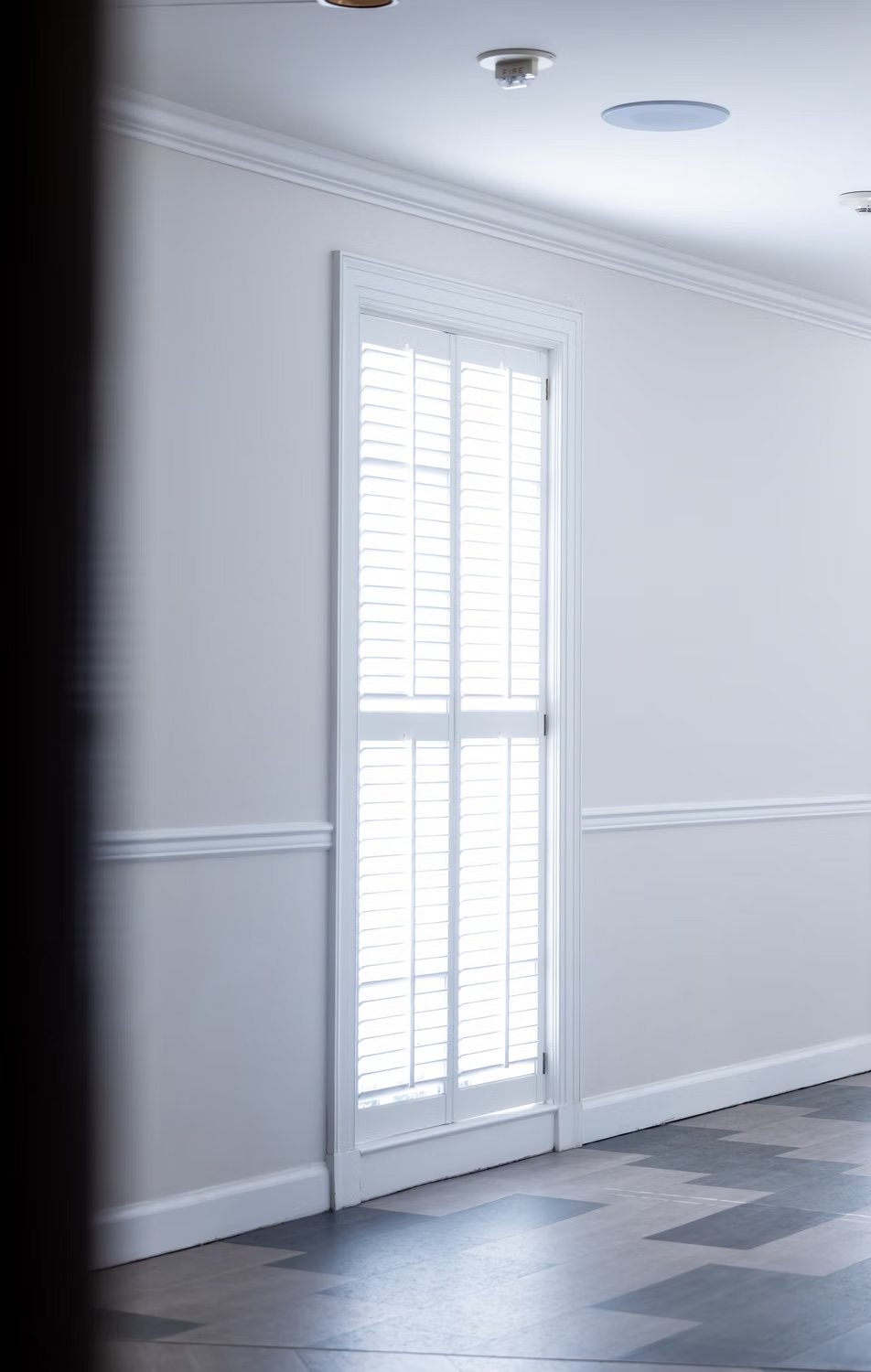
A home can look impressive during a short appointment and still be uncomfortable through much of the year. An enormous window may frame a wonderful view but leave the sofa exposed to afternoon glare. A powerful air conditioner may cool one room while the bedrooms remain warm. Attractive finishes can conceal an awkward relationship between the building fabric, its equipment, and the way the household actually lives. When choosing a home in Turkey, the useful question is therefore not simply whether it is advertised as efficient. Ask whether it can deliver the comfort you need, in the rooms you use, with understandable running costs and maintenance responsibilities. The following checklist is a method for investigating a particular property, rather than a promise about any city, development, or energy label.
Start with your own comfort brief
Write down your ordinary week before comparing technical specifications. Which rooms will be occupied in the morning, afternoon, and evening? Will someone work from home, sleep during the day, or spend several months elsewhere? Do you prefer opening windows, or does traffic noise mean they will usually remain closed? A household using the apartment all day needs a different operating pattern from one that returns late at night. Include preferences that are often forgotten, such as a quiet bedroom, a comfortable bathroom in winter, and a place to dry laundry. Your brief should identify needs that the property must meet, not just features that sound desirable on a sales presentation.
Evaluate the building before the equipment
Think about the roof, external walls, floors over open areas, and windows as a continuous boundary around the indoor space. Ask what insulation was specified, where it was installed, and whether supporting documents relate to this building rather than another project by the same developer. A top-floor apartment has a different exposure from one surrounded by occupied homes. Likewise, a floor over an open parking area may deserve closer attention than a floor above a heated dwelling. A viewing cannot establish concealed construction quality. It can, however, reveal where evidence is missing and where an independent building professional should investigate before you rely on a broad claim such as “fully insulated.”
Look closely at windows and their installation
The number of glass layers is only one part of window performance. Frames, opening mechanisms, seals, installation details, and the relationship between glass and sunlight all matter. Open and close accessible windows with permission. Check whether the handle secures the sash evenly and whether seals appear continuous. Look around frames for staining, damaged finishes, or an obvious gap, while recognising that a clean surface is not proof of perfect installation. Ask for the actual product specification when glazing is a major selling point. Do not assume a showroom sample describes every window in the apartment, especially if an older property has been renovated in several stages.
Separate daylight from unwanted solar gain
Bright rooms are attractive, but brightness and comfortable summer conditions are different objectives. Visit at a time relevant to the rooms you will use most, and examine the sun's route together with neighbouring buildings and balconies above. External shade, roof overhangs, shutters, and appropriately chosen window coverings can change how a room feels. Ask whether existing shading is included in the sale and whether it can be adjusted without affecting building rules. Avoid deciding that one compass direction is always best throughout Turkey. Orientation interacts with climate, floor level, glazing area, obstructions, and your schedule. The practical test is whether the room works during the hours you need it.
Treat ventilation as a deliberate system
A home should not depend on accidental gaps around its windows for fresh air. Equally, closing unwanted leaks without considering ventilation can create a different problem. Ask how outside air enters, how bathroom moisture is extracted, and where kitchen exhaust goes. Establish whether a cooker hood discharges outside or recirculates through filters. These are different functions, and one should not be described as the other. Look for accessible filters and ask who replaces them. If mechanical ventilation is advertised, request a demonstration and maintenance information. The Department of Energy and other building authorities treat ventilation, insulation, shading, and equipment as interacting parts of comfort, which is a useful principle for a buyer's investigation.
Inspect moisture clues without making a diagnosis
Check window corners, external-wall junctions, bathroom ceilings, and the inside of cupboards against outside walls. Persistent staining, peeling paint, musty smells, or recently isolated repainting deserve an explanation. Several causes can produce similar symptoms, so avoid accepting an immediate diagnosis from a photograph or a salesperson. Ask about previous leaks, repairs, and whether the underlying cause was addressed. A professional may need to distinguish rainwater entry, plumbing leakage, condensation, and other mechanisms. Your role during the viewing is to record the location and history, then decide what investigation is necessary. Do not treat an air freshener, new paint, or a promise of stronger heating as evidence that moisture has been resolved.
Understand the heating and cooling arrangement
Identify what actually serves each room. An attractive wall controller does not tell you whether the apartment has independent equipment, shared plant, underfloor heating, radiators, or a combination. Ask how temperature is regulated, whether different zones can operate separately, and what happens when only one room needs conditioning. Request the model numbers and approximate installation dates of major equipment. Then ask a qualified technician about suitability, service history, and realistic replacement options. Avoid using the physical size of a unit as a measure of quality. Correct selection depends on the home and its loads; buying more capacity is not a substitute for diagnosing insulation, shading, distribution, or control problems.
Test the controls as a future resident
With the owner's permission, ask for a straightforward operating demonstration. Can you change the desired temperature, select the correct mode, and understand the timer without a specialist application or an account controlled by the seller? Are bedroom settings independent of the living area? If the property uses a central building system, establish which decisions belong to the apartment owner and which belong to management. Request manuals and access arrangements for any connected equipment. A sophisticated system is only useful when the household can operate it consistently and obtain service. Include the ease of everyday use in your comparison rather than awarding points merely because a development advertises smart technology.
Read bills together with the context
Request a reasonable history of utility statements where the seller is willing to share them, with personal information removed. A bill is evidence of expenditure under previous conditions, not a guaranteed forecast for your household. Ask how many people lived there, whether the home was occupied year-round, and which rooms were heated or cooled. Check whether bills include hot water, common-area charges, or another service. Comparing a mostly empty holiday property with a permanently occupied family home can be misleading. Record consumption where available, the period covered, and relevant operating habits. If records are incomplete, acknowledge that uncertainty instead of filling the gap with an attractive monthly estimate.
Separate private costs from shared obligations
In an apartment building, comfort may depend on equipment outside your own front door. Shared pumps, central heating plant, façade maintenance, roof work, and common ventilation can affect both experience and expenditure. Ask management how routine maintenance is planned and how owners receive information about larger works. Review available budgets, recent meeting records, and outstanding maintenance issues through the appropriate parties. Do not assume that a low service charge means efficient operation; it may reflect a limited service or postponed work. Conversely, a high charge does not automatically prove better comfort. The relevant question is what the building actually provides and whether the financial and maintenance arrangements are understandable.
Build a realistic improvement sequence
If the home is suitable but imperfect, separate simple operational changes from work requiring technical design or building approval. Adjusting routines, servicing equipment, and choosing appropriate shading may be easier to investigate than replacing windows or altering a façade. Do not order alterations before checking ownership responsibilities, applicable permissions, and technical compatibility. Ask professionals to explain the problem, the proposed intervention, the expected benefit, and the uncertainty. Keep comfort improvements distinct from promised investment returns. A sensible purchase budget should include a contingency for unresolved items and should not depend on every optimistic saving being achieved immediately after completion.
Compare two homes using the same questions
Imagine, purely as an example, two apartments with similar asking prices and layouts. The first has newer cooling equipment but no maintenance records and exposed afternoon glazing. The second has older equipment, useful external shade, and clear building-management documents. Neither is automatically the better purchase. Ask the same questions about both, then price professional inspections and any required work. Your comparison should show what is verified, what is merely claimed, and what remains unknown. This prevents a single attractive feature from dominating the decision. It also makes conversations with agents more productive because requests concern specific evidence rather than a general demand for a more efficient home.
Leave the viewing with a written decision record
Before committing, summarise the household's comfort priorities, the property's strengths, unresolved concerns, and the next evidence required. Give each open item an owner and a deadline: for example, the seller supplies equipment records, management explains shared charges, and an independent professional examines a damp area. Keep the record concise enough to use when comparing the next property. Where a technical issue could materially change your willingness to buy, resolve it before treating the home as suitable. Good energy performance is not a decorative feature that can be confirmed from a photograph. It emerges from the building, its systems, maintenance, and your daily routine working together.
Technical background and further reading
- U.S. Department of Energy: Home Cooling
- U.S. Department of Energy: Window Types and Technologies
- Australian Government: Heating and cooling
- U.S. Environmental Protection Agency: Moisture control guidance
Cover photo: Pexels. Illustrative image; not a property listing or an endorsement. Pexels · Pexels License

Residence TR Editorial
Residence TR bünyesinde mimarlık tarihi, Boğaziçi yalıları, kentsel dönüşüm ve yabancı yatırımcılara yönelik mevzuat analizleri üzerine özel araştırmalar yürütmektedir.
Türkiye'de Gayrimenkul Yatırımı mı Planlıyorsunuz?
Uzman kadromuzla bütçenize, yatırım hedeflerinize ve vatandaşlık uygunluğuna en doğru konut projelerini belirleyin.